

 立即加入
立即加入 Is USDC Considered Funds? Understanding Its Legal Status
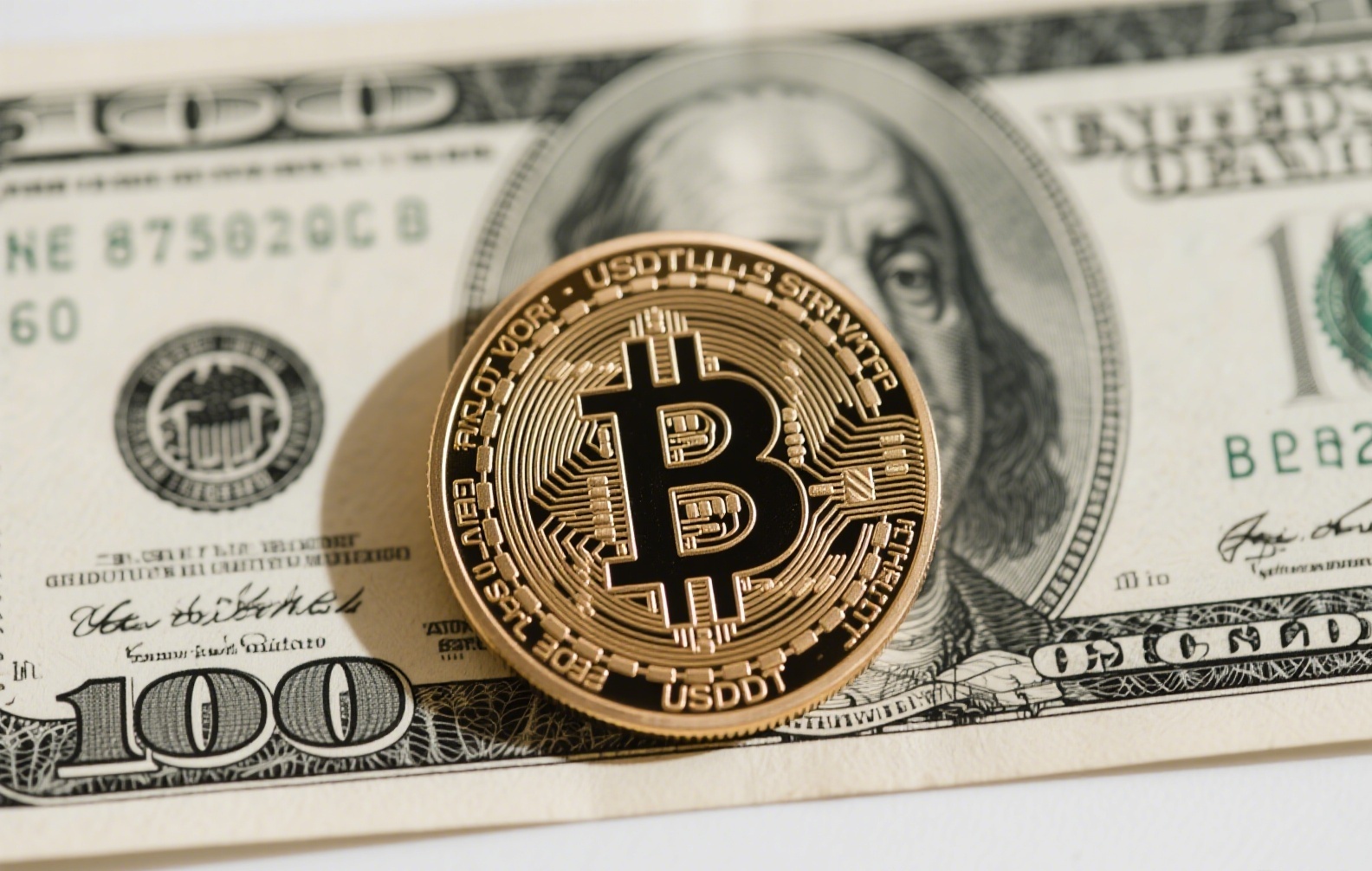
In the rapidly evolving world of digital finance, a critical question arises for users and regulators alike: Is USDC considered funds? The answer is not a simple yes or no, but rather a nuanced exploration of its design, regulatory treatment, and practical application. USDC, or USD Coin, is a type of stablecoin, a cryptocurrency pegged to the value of a fiat currency—in this case, the US dollar. It is issued by regulated financial institutions and backed by an equivalent reserve of cash and short-term U.S. Treasury bonds, held in segregated accounts. This structure is fundamental to understanding its classification.
From a technical and functional perspective, USDC operates as a digital asset on blockchain networks, facilitating fast and global transactions. However, its legal status as "funds" depends heavily on jurisdiction and context. In the United States, key regulatory bodies have provided guidance that influences this classification. The Securities and Exchange Commission (SEC) has generally not treated pure stablecoins like USDC as securities, provided they are truly backed by reserves and function as a medium of exchange rather than an investment contract. More importantly, statements from the U.S. Treasury Department have indicated that certain stablecoins may be viewed as "monetary value" or a form of digital money transmission, which aligns closely with the concept of "funds" under existing money services business (MSB) and payments laws.
For everyday users and businesses, USDC is effectively treated as digital dollars or funds. It is used to store value, send and receive payments, and settle transactions with the stability of the US dollar. Major financial platforms and decentralized finance (DeFi) protocols accept it as a liquid asset. The promise of redeemability 1:1 for US dollars further reinforces its character as a proxy for traditional funds. Nonetheless, it is crucial to recognize that this is not identical to holding cash in a federally insured bank account. The regulatory landscape is still developing, and the specific rights of holders in extreme scenarios, such as the failure of an issuer, are defined by the terms of service and the composition and auditability of the reserves.
Therefore, while USDC is designed and widely used as a digital representation of funds, its official legal categorization is an ongoing dialogue between innovators and regulators. For practical purposes in commerce and finance, it is considered electronic money or funds. However, users must stay informed about regulatory updates, as definitive legislation could further clarify or alter its status. The transparency of its reserves and its issuance by regulated entities are strong arguments for its legitimacy as a digital form of value, bridging the gap between traditional finance and the blockchain ecosystem.

发表评论